
The Women Scaling Sustainably Are Not Doing It Alone.
There is a converted warehouse in the kind of street that makes you feel like something good is happening in the world. Individual offices carved out of old industrial space, the sort of place that buzzes quietly with people building things that matter.
I walked down that street not long ago to visit two of my clients in their first ever office.
They were both standing outside, beaming, waving at me from the end of the road like I was a returning hero and when I walked in and saw what they had achieved, I got quite emotional. These two women, not so long ago had decided their business was probably just going to be the two of them, and now it’s grown into something with an office, a team, a strategy, and apparently, enough love for me that they later set me up with my own desk for when I come to work with them.
I mean, come on.
That is what support creates. Not just tasks completed. Not just an inbox sorted. A business that grows into something its founders once only dared to imagine.
When you know, you know
I met Gemma and Hetal through a group programme we were both part of and from the moment we connected I just knew. There are people you meet and you can feel immediately that something is going to click, that you are going to understand each other, that whatever you build together is going to be something more than transactional.
They felt it too, we had one call, they signed on the dotted line the same day which says something important about how the right support feels when you find it. You do not need to be convinced, you do not go away to think about it for a fortnight, you just know.
They came to me with a burning ambition to do more. They had both had careers before this, so they were not starting from nothing in terms of experience, but they were building something new, something entirely theirs, and they had decided early on that it was probably just going to be the two of them. A tight, contained, manageable thing.
And then it became successful. Quite quickly. And the tight, contained, manageable thing started asking more of them than two people could comfortably give.
What they called me is honestly their fault
I came in as their VA. That was the brief. That was the plan.
But then a funny thing happened, as it so often does. I got to know their business, understood it quickly, got to grips with the Insights coaching process they use, and before long I was sitting with them in strategy days, helping them map out the year ahead, think through how they were going to nurture their audience, develop their content themes, build their standard operating procedures.
At some point along the way, Gemma and Hetal looked at what was happening and decided to tell me what I actually was to them.
Their COO.
I did not pitch that. I did not suggest it. They named it. And honestly, I think that is the most important thing I can tell you about what the right operational support actually looks like in practice. It does not stay small because you hired it to be small. It grows with you, sees what you need before you have fully articulated it, and shows up at the level your business is actually operating at rather than the level it was at when you first made the call.
What happened next
They expanded. Brought in additional coaches. Needed more tech support, so we brought someone from my team in to help with that side too. Got themselves an office. Started showing up in bigger rooms, having bigger conversations, making bigger decisions.
None of that happened because of me. It happened because of them, their talent, their drive, their absolute refusal to let the operational weight of a growing business become the thing that slowed them down.
But I do believe it happened faster, and more sustainably, because they were not trying to carry everything alone at the same time as building it.
Support does not remove your ambition. It creates the capacity to act on it.
There is still a widely held belief that support is something you earn after success. That you get to a certain point, hit a certain number, prove yourself sufficiently, and then you are allowed to bring someone in.
Gemma and Hetal did not wait until they were overwhelmed. They invested in support when the business started asking more of them than felt manageable, and that decision created space for everything that came after.
Most growth problems are capacity problems. The women scaling sustainably are not necessarily smarter or more disciplined or better organised than everyone else. They have simply stopped trying to carry everything alone.
The confidence to make bigger decisions comes more easily when someone is helping hold the operational load. The courage to pitch for bigger clients, take on bigger projects, show up in bigger rooms, that comes more easily when you are not simultaneously trying to hold an entire business together in your head.
Visibility is exciting. Visibility without infrastructure is just stressful.
And knowing when the right time is to ask for help? That is not a weakness. That is how you build something that lasts.
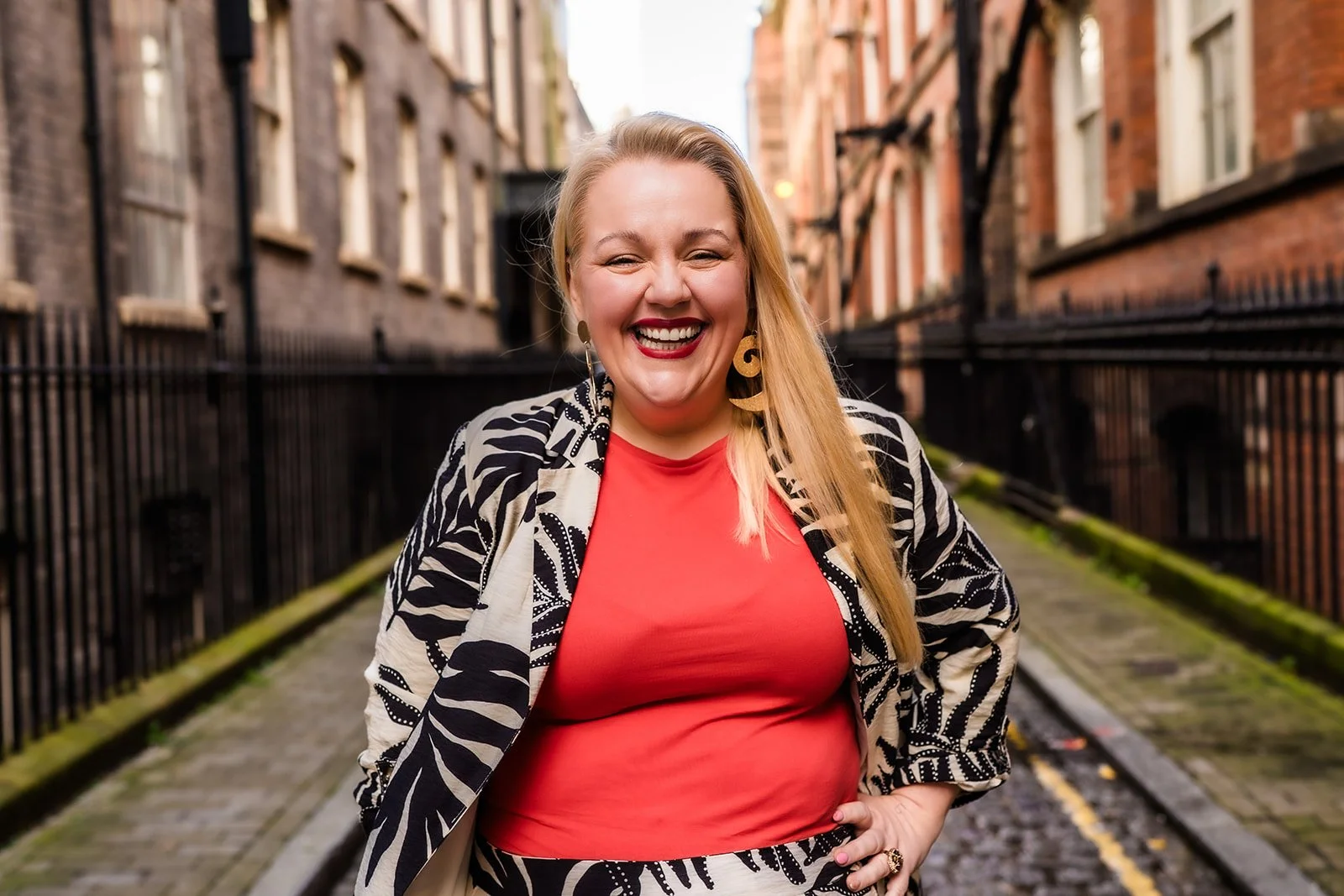
Lois Bates—Stubbs is the founder of Mavenly, a VA and EA agency based in Manchester. She works with women in business who are ready to stop carrying everything alone.